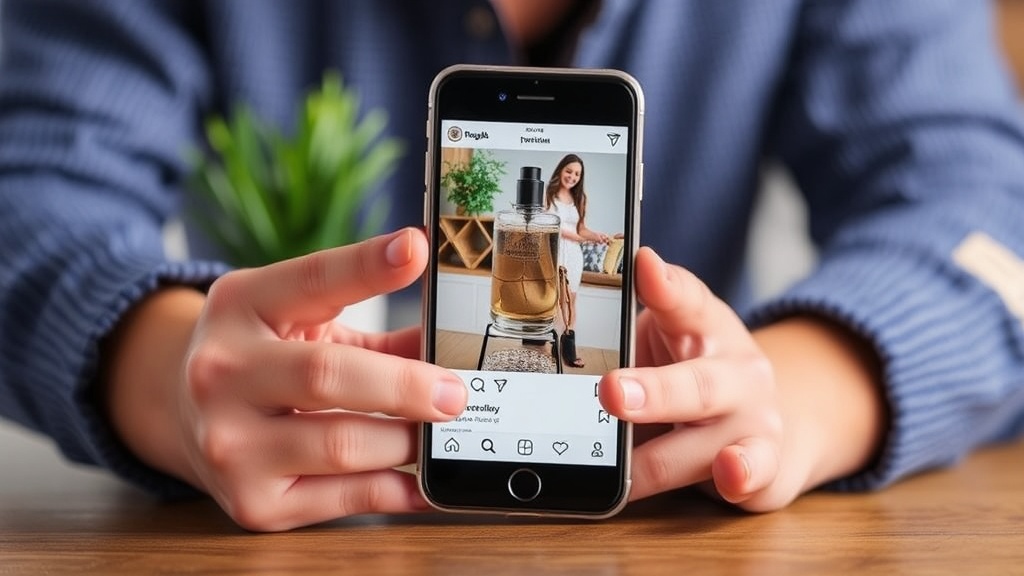

Why Best Practices for Using Instagram in E-commerce Matter Now
As e-commerce continues to thrive, Instagram has emerged as a vital platform for brands looking to engage with their audience and drive sales. With over a billion monthly active users, this visually-driven social media platform offers unique opportunities for businesses to showcase their products and connect with potential customers. Understanding best practices for using Instagram effectively in e-commerce is essential for standing out in a crowded marketplace, building brand loyalty, and ultimately converting followers into buyers.
1. Optimize Your Instagram Profile
Your Instagram profile is the digital storefront for your brand. It is crucial to optimize it for clarity and appeal. This means using a recognizable profile picture, crafting a compelling bio that succinctly describes your business, and including a link to your website or a specific product page. A well-optimized profile not only conveys professionalism but also assists users in understanding what you offer at a glance.
This applies to any e-commerce business, regardless of size or industry. A common mistake is neglecting the bio section, leading to missed opportunities for engagement and conversions.
Also Read
2. Leverage Instagram Stories and Highlights
Instagram Stories are a powerful tool for showcasing products in a more casual and engaging format. They allow for real-time updates, behind-the-scenes content, and limited-time offers, creating a sense of urgency among followers. Utilizing Highlights can help preserve important Stories for new visitors to view later, effectively extending the lifespan of your content.
This strategy is beneficial for brands looking to maintain engagement with their audience and keep their products top-of-mind. However, many businesses overlook the potential of Highlights, resulting in a missed opportunity to tell their brand story effectively.
3. Create High-Quality Visual Content
Instagram is a visual platform, and the quality of your images and videos directly impacts user engagement. Invest in professional photography and videography to showcase your products in the best light. Ensure that your visuals align with your brand’s aesthetic and tell a story that resonates with your audience.
This practice is essential for brands in all e-commerce sectors, as high-quality visuals can significantly enhance perceived product value. A common misconception is that any photo will suffice; low-quality images can detract from your brand’s credibility and customer trust.
4. Use Shoppable Posts Effectively
Shoppable posts allow users to purchase products directly through Instagram, streamlining the shopping experience. Make sure to utilize this feature by tagging products in your posts and stories. This not only enhances user convenience but also increases your chances of conversion as consumers can shop without leaving the app.
This is particularly useful for fashion, beauty, and lifestyle brands. However, it’s important to avoid overwhelming your audience with too many shoppable posts, which can come off as overly promotional and may turn followers away.
5. Engage With Your Audience
Building a community around your brand is vital for long-term success on Instagram. Engage with your audience by responding to comments and messages, asking for feedback, and encouraging user-generated content. This interaction fosters a sense of belonging and loyalty among your followers.
This approach applies to all e-commerce businesses, as engaged audiences are more likely to convert into customers. A common mistake is neglecting follower interactions, which can lead to a disengaged audience and reduced brand loyalty.
6. Collaborate with Influencers
Influencer marketing can amplify your reach and credibility on Instagram. Collaborate with influencers who align with your brand values and have an audience that matches your target demographic. Authentic partnerships can lead to increased visibility and trust among potential customers.
This strategy works well for brands in various industries, particularly those targeting niche markets. The misconception that any influencer partnership will yield results can lead to mismatched collaborations and ineffective campaigns.
7. Analyze and Adjust Your Strategy
Regularly analyzing your Instagram performance through metrics such as engagement rates, follower growth, and conversion rates is essential for understanding what works and what doesn’t. Use these insights to adjust your content strategy and improve your marketing efforts over time.
This practice is relevant for all e-commerce businesses seeking to optimize their social media strategies. A common pitfall is failing to analyze performance data, which can result in missed opportunities for improvement and growth.
Conclusion
Implementing these best practices for using Instagram in e-commerce can significantly enhance your brand’s online presence and drive sales. By focusing on optimization, engagement, and high-quality content, you can create a compelling Instagram experience that attracts and retains customers.