
Introduction
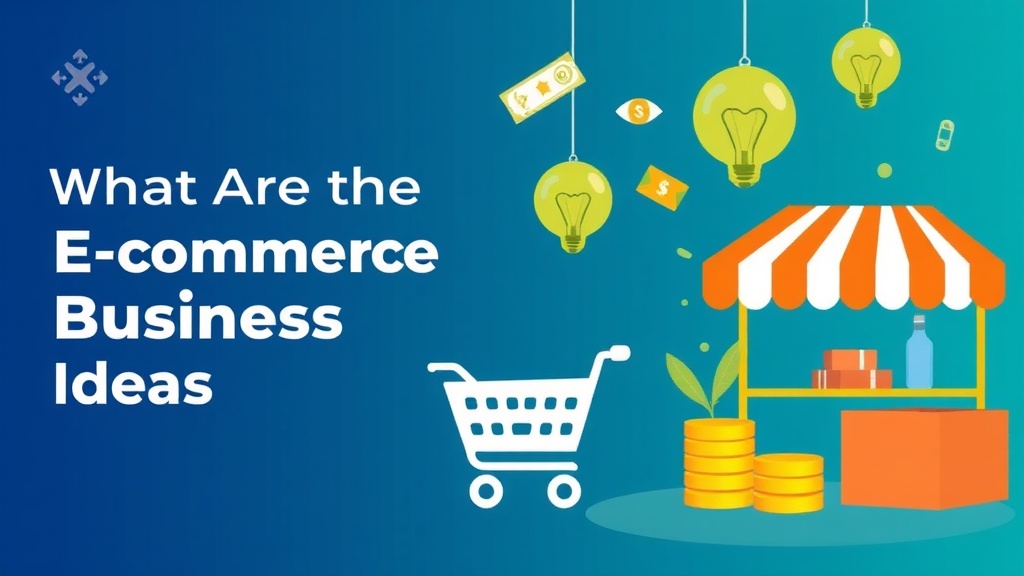
As we approach 2024, the e-commerce landscape continues to evolve rapidly, influenced by technological advancements, shifting consumer behaviors, and emerging trends. Understanding what business ideas can thrive in this environment is essential for entrepreneurs looking to capitalize on new opportunities. The importance of aligning e-commerce strategies with current market demands cannot be overstated. With the right insights, businesses can not only survive but flourish in a competitive marketplace.
1. Sustainable Products
The demand for eco-friendly and sustainable products is growing exponentially. Consumers are increasingly aware of environmental issues and are making purchasing decisions based on sustainability. Offering products that are ethically sourced or made from recycled materials can attract a conscientious customer base.
This idea is particularly relevant for businesses targeting millennials and Generation Z, who are more likely to support brands that prioritize sustainability. Common misconceptions include the belief that sustainable products must be expensive; however, many consumers are willing to pay a premium for quality and ethical assurance.
Also Read
2. Subscription Services
Subscription-based models have proven successful across various sectors, from beauty products to meal kits. This business model creates a consistent revenue stream and encourages customer loyalty. Subscriptions can be tailored to niche markets, providing personalized experiences that keep customers engaged.
This model is ideal for businesses that can offer unique or curated products regularly. A common mistake is underestimating the importance of customer service in subscription models; ensuring timely deliveries and addressing customer feedback is crucial for retention.
3. Health and Wellness Products
The health and wellness industry has seen significant growth, especially in the wake of the pandemic. Consumers are increasingly investing in products that enhance their physical and mental well-being, from fitness gear to nutritional supplements.
This idea targets a broad audience, including fitness enthusiasts and those simply looking to improve their lifestyle. However, businesses must navigate regulatory challenges and ensure that health claims are substantiated to build trust with customers.
4. Personalized Shopping Experiences
As e-commerce becomes more competitive, personalized shopping experiences can set a business apart. Utilizing data analytics and AI can help tailor recommendations based on individual customer preferences and shopping behavior.
This approach is particularly effective for businesses with a diverse product range. A common misconception is that personalization is only for large companies; small businesses can also leverage customer data to enhance their offerings. The key is to ensure that the personalization feels genuine and not invasive.
5. Digital Products and Online Courses
The digital product market, including online courses, eBooks, and software, is booming. As more people seek to learn new skills or enhance their knowledge, creating digital content can be a lucrative avenue for e-commerce ventures.
This idea appeals to educators, industry experts, and creators who can share their knowledge effectively. A common mistake is not investing enough in marketing; even the best digital products need visibility to succeed. Quality content combined with effective marketing strategies is essential.
6. Remote Work Solutions
The shift towards remote work has created a demand for products and services that support this lifestyle. From ergonomic office furniture to productivity tools, businesses catering to remote workers are likely to see continued growth.
This idea is relevant for entrepreneurs looking to tap into the expanding remote workforce. However, it’s important to avoid the misconception that all remote work solutions will succeed; understanding specific pain points of remote workers is crucial for delivering effective solutions.
7. Niche Marketplaces
Building a niche marketplace that connects buyers and sellers within a specific industry can be a highly effective e-commerce strategy. Focusing on a particular interest or hobby allows businesses to create a dedicated community and cater to specific customer needs.
This approach works well for entrepreneurs who have a passion or deep knowledge of a particular niche. A common mistake is trying to cater to too broad an audience; focusing on a niche allows for tailored marketing and customer experiences, enhancing overall engagement.
8. Augmented Reality Shopping Experiences
Augmented reality (AR) is transforming how consumers shop online, allowing them to visualize products in their environment before making a purchase. This technology can enhance customer engagement and reduce return rates by providing a more accurate representation of products.
This idea is particularly valuable for businesses in fashion, home décor, and beauty industries. However, investing in AR technology can be costly, and businesses should ensure that the implementation is seamless and user-friendly to avoid frustrating potential customers.
9. Influencer Collaborations
Partnering with influencers can amplify brand reach and connect with target audiences authentically. Influencer marketing, when done right, builds trust and drives sales by leveraging the influencer’s established credibility and follower base.
This strategy is effective for brands seeking to penetrate new markets or demographics. A common mistake is choosing influencers solely based on follower count; engagement rates and audience alignment are more important for achieving meaningful results.
10. Localized E-commerce
As consumers become more aware of supporting local businesses, localized e-commerce platforms can thrive by connecting consumers with nearby sellers. This approach fosters community and encourages customers to shop locally.
This idea is ideal for businesses that can offer unique local products or experiences. However, businesses should be cautious of overextending their reach; staying true to local roots while expanding services is crucial for maintaining authenticity.
Conclusion
As we move into 2024, the e-commerce landscape is ripe with opportunities for innovation and growth. By focusing on consumer needs and leveraging current trends, entrepreneurs can position themselves for success. Understanding the nuances of each business idea can help in making informed decisions that resonate with today’s consumers.