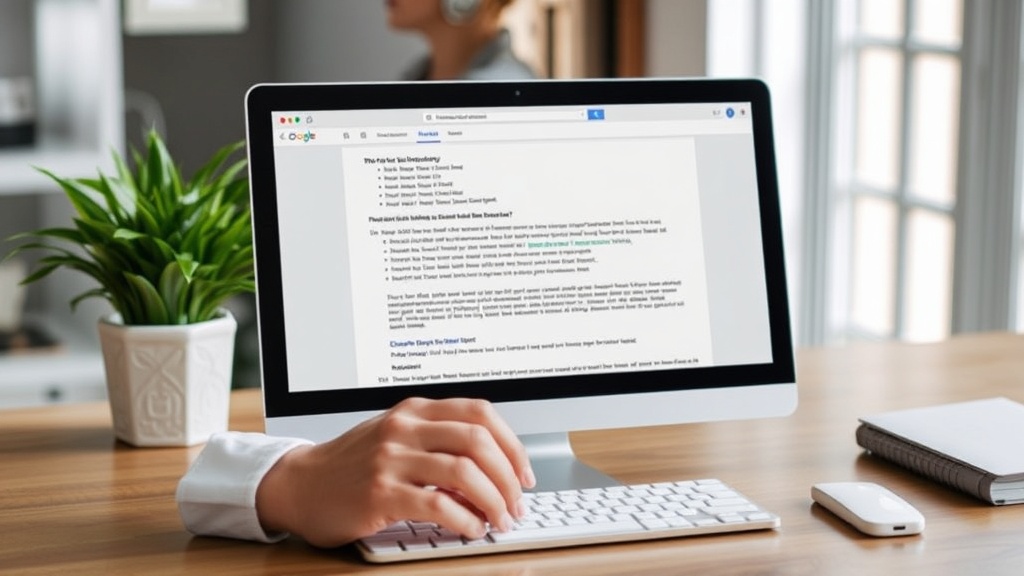
It’s noticeable how many bloggers and content creators are increasingly paying attention to their meta descriptions. This shift seems linked to the growing competition in the digital landscape, where so many voices vie for attention. As search engines continue to evolve, the role of these brief snippets in influencing click-through rates becomes more apparent. Many are beginning to realize that a well-crafted meta description can serve as a powerful tool in attracting readers, drawing them in with just a few carefully chosen words.
What stands out is the nuanced approach many are taking toward crafting these descriptions. There’s a trend toward incorporating more engaging language, which seems to resonate with audiences on a deeper level. The emphasis is shifting from simply filling the character limit to creating a compelling narrative that reflects the content’s essence. It’s intriguing to see how the subtlety in language can make a significant difference in capturing interest. More often, these descriptions serve not just as an overview but as an invitation, hinting at the value that lies within the full article.
Interestingly, the focus on mobile optimization has also contributed to the heightened awareness of meta descriptions. With an increasing number of users accessing content via smartphones, the way information is presented in search results is evolving. Shorter, punchier descriptions are becoming the norm, as they fit better on smaller screens and attract quick attention. It’s fascinating how this technical aspect of user experience influences the way bloggers think about their content. The challenge now is not just to inform but to entice, to create a moment of connection in a sea of options.
Also Read
There are subtle dynamics at play that often go unnoticed. The psychological aspect of how users perceive search results has become a vital consideration. For example, when a meta description sparks curiosity or evokes an emotional response, it can lead to higher engagement rates. This aspect, often underestimated, is a key driver behind the decisions content creators make when writing these snippets. The power of choice lies in the hands of the reader, and a small change in wording can lead to significant differences in traffic.
Another factor seems to be the evolving algorithms of search engines, which increasingly prioritize user experience. This means that a meta description isn’t merely a formality but a strategic element in the broader context of SEO. Observations suggest that writers who understand this integration tend to enjoy better visibility. The synergy between quality content and effective meta descriptions appears to be more crucial than ever. As content consumption habits shift, the need for precision and relevance in these brief summaries continues to grow.
It’s also worth noting how the landscape of social media is influencing the crafting of meta descriptions. As platforms prioritize shareable content, the snippets that accompany blog posts are becoming more important in driving traffic from social channels. The interplay between social media and search engine optimization is increasingly evident, with many creators adapting their strategies accordingly. The way a description is framed can determine how well it performs on various platforms, showcasing the interconnectedness of different digital realms.
The attention to detail in creating these meta descriptions reflects a broader trend in content creation. There’s a growing recognition that every element of a blog post, even those that seem minor, plays a role in its overall success. The meticulousness in word choice and structure speaks volumes about the content creator’s understanding of their audience. It’s becoming clear that a thoughtful approach can yield dividends, not just in traffic but in building a loyal readership.
As more attention is given to this aspect of blogging, it will be interesting to see how strategies evolve. The ongoing discussions in content creation communities indicate a shift towards more collaborative approaches, where sharing insights about effective descriptions is becoming commonplace. Writers are increasingly looking to each other for inspiration and best practices, fostering a sense of community among those who prioritize quality and relevance in their work.
Ultimately, the growing focus on meta descriptions reflects an ongoing evolution in the digital content landscape. As the competition becomes fiercer and the preferences of readers shift, those who embrace this change and adapt their strategies are likely to thrive. It’s a dynamic environment, and the importance of even the smallest elements, like a meta description, can’t be overlooked. The journey of understanding and optimizing these snippets is just beginning, and the excitement around it is palpable.